A school for people who cannot stop rearranging the room.
Maven SIDD trains interior designers for the profession, not the hobby — drawings, sites, materials in the hand, and enough business sense to survive year two. Ikeja, Lekki, Abuja, and online.
Interior design is not decoration. It is a way of thinking.
A designer decides how a room is entered, where light falls, what a surface costs to maintain and how a family actually lives in it. Those decisions are made long before furniture is chosen.
We teach the whole sequence — brief, research, concept, drawing, specification, delivery — because that is what practice demands. Africa's cities are changing quickly. The designers who shape them need to be trained properly.
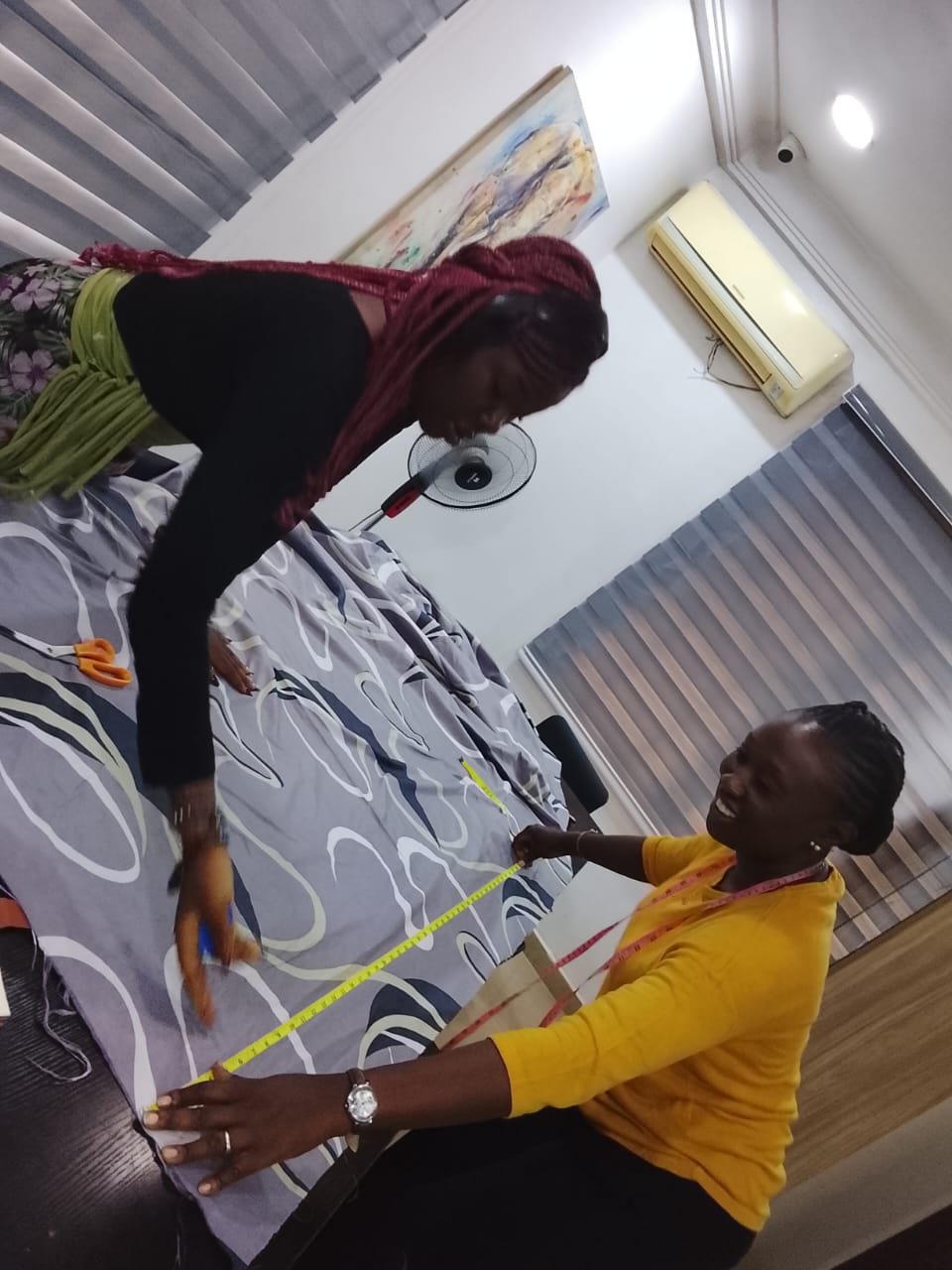
Setting out a plan while the fabric selection is still open
Space planning and specification exercise
Student project / 01
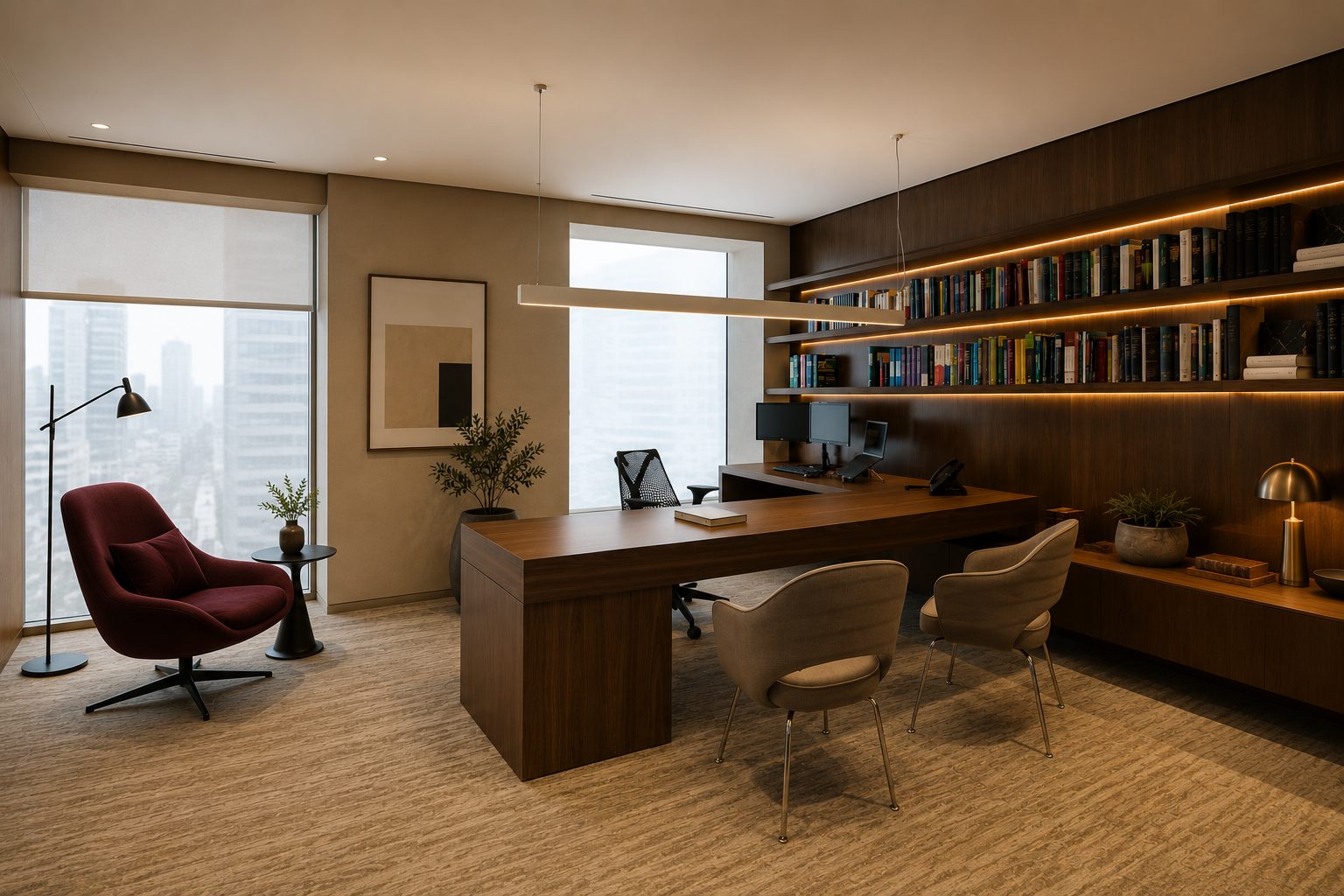
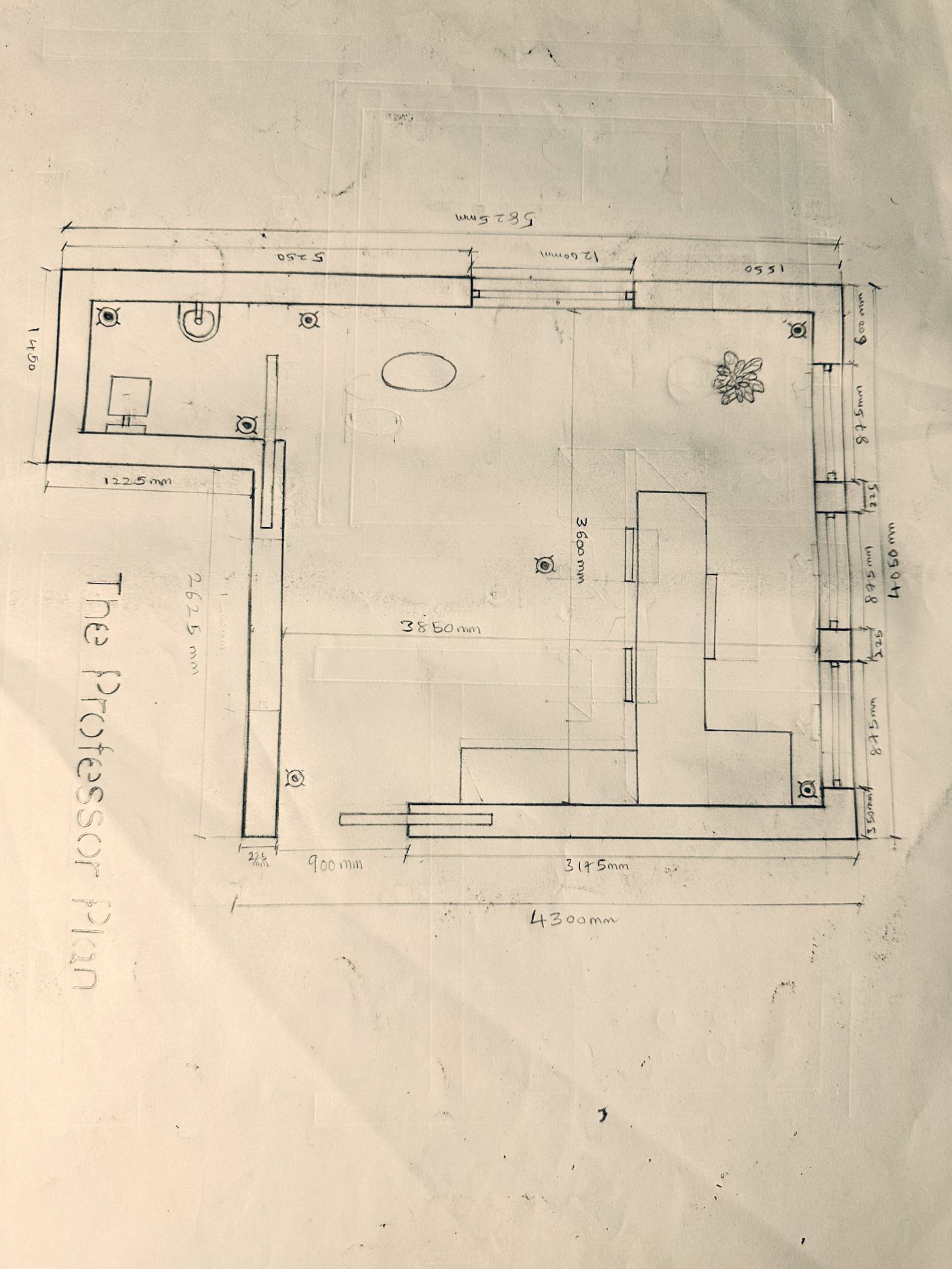
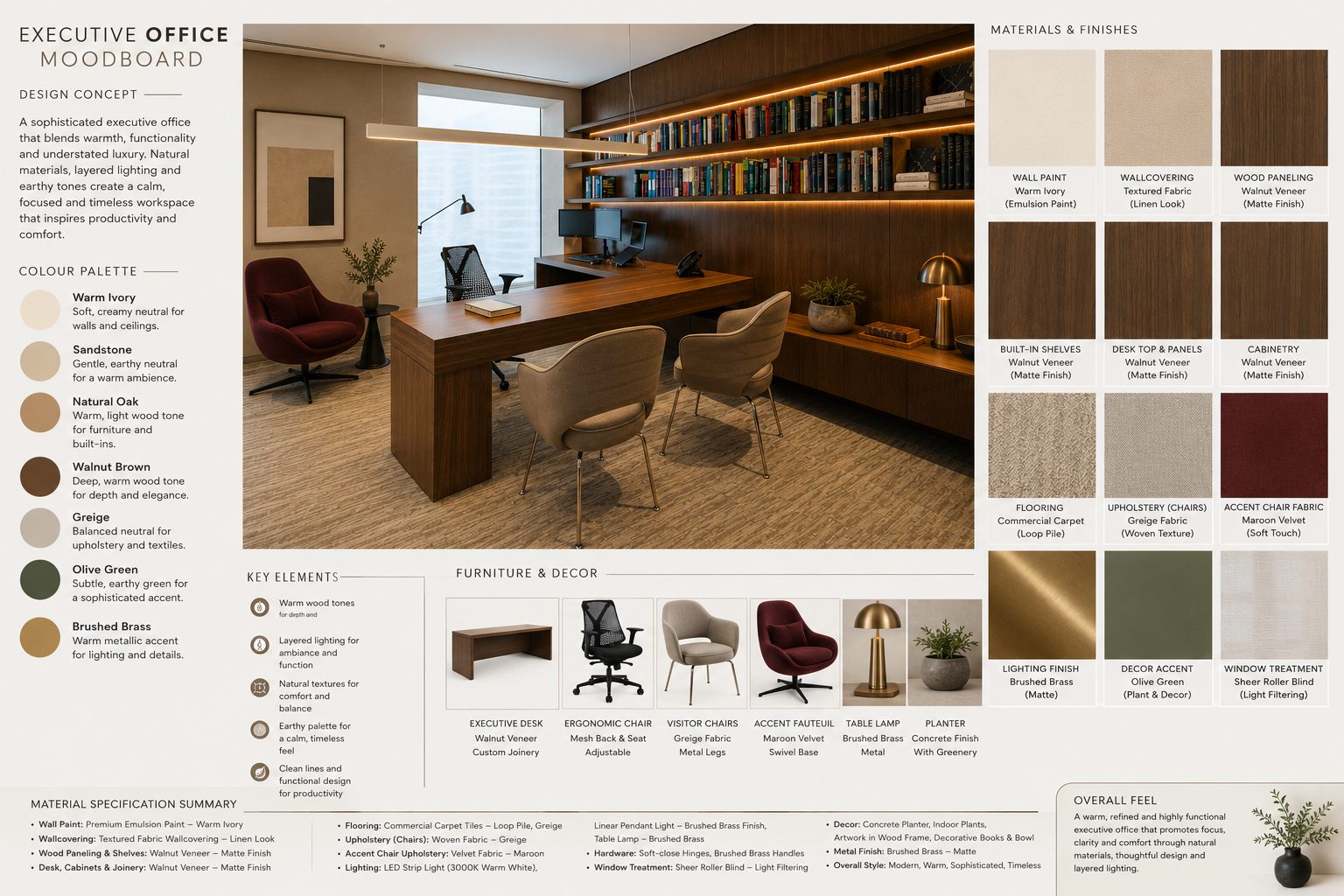
The Professor's Office
An executive office reworked from a measured survey — walnut joinery, layered lighting and a warm ivory-to-brass palette, taken from hand-drawn plan through to specification and installation.
Designer
Ilesanmi Oyindamola
Facilitator
Architect David Oricha
Scope
Design development and visualisation · fit-out and installation · procurement · handover
Final render — desk, meeting chairs and lit shelvingMeasured plan, drawn by handConcept board — palette, finishes and material specification
Student project / 02
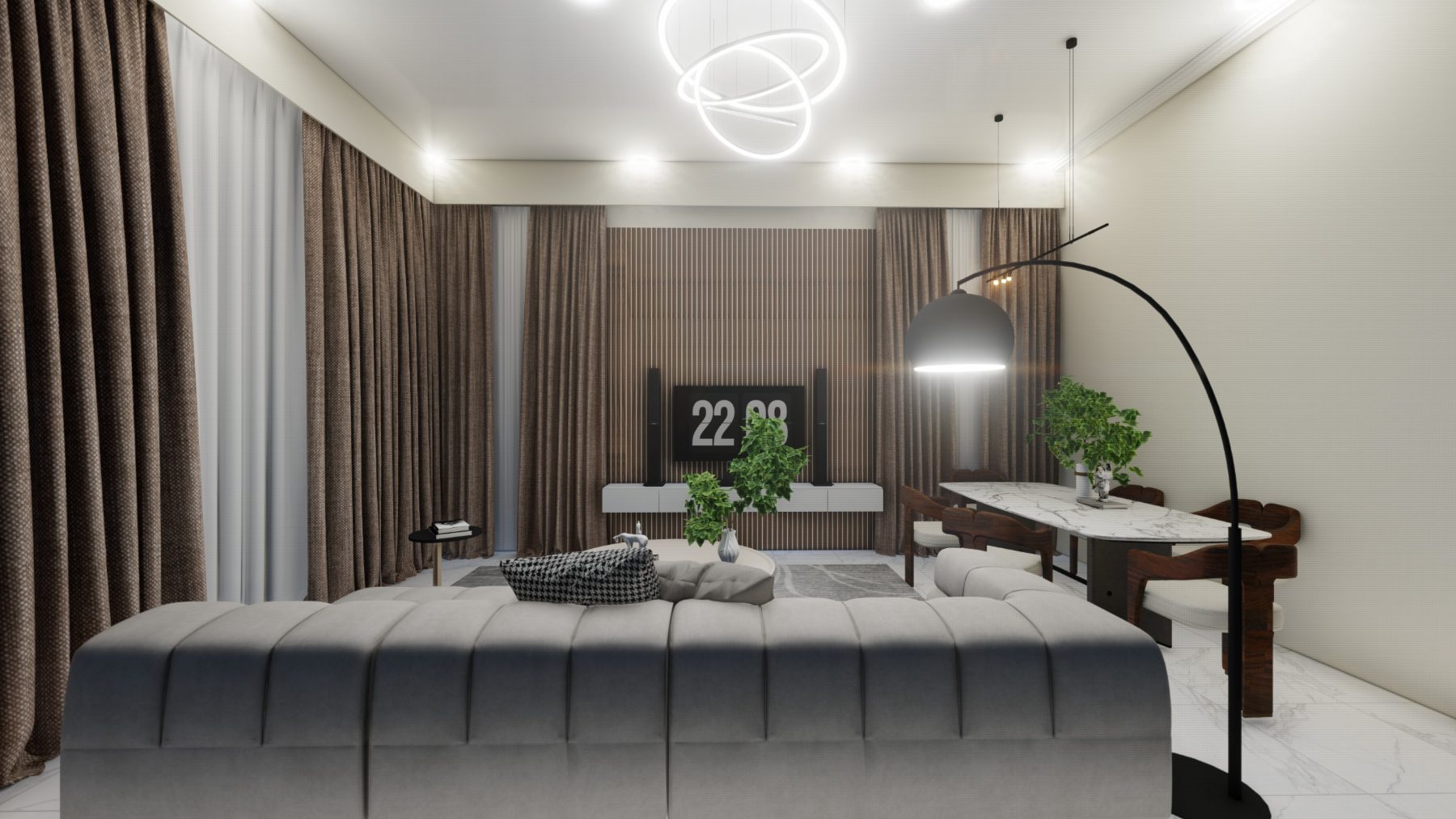
Proposed residential development, Omole Phase 1
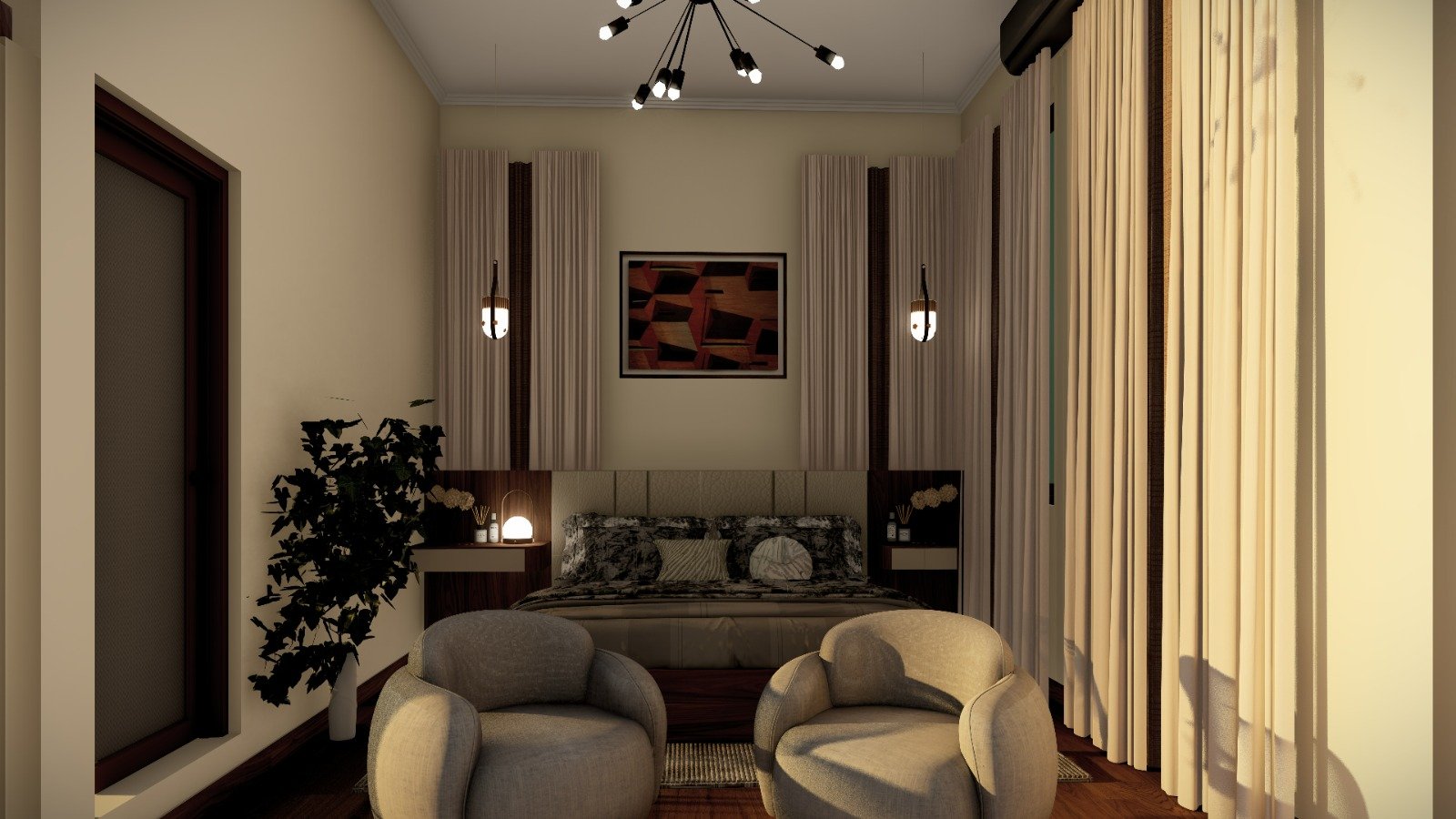
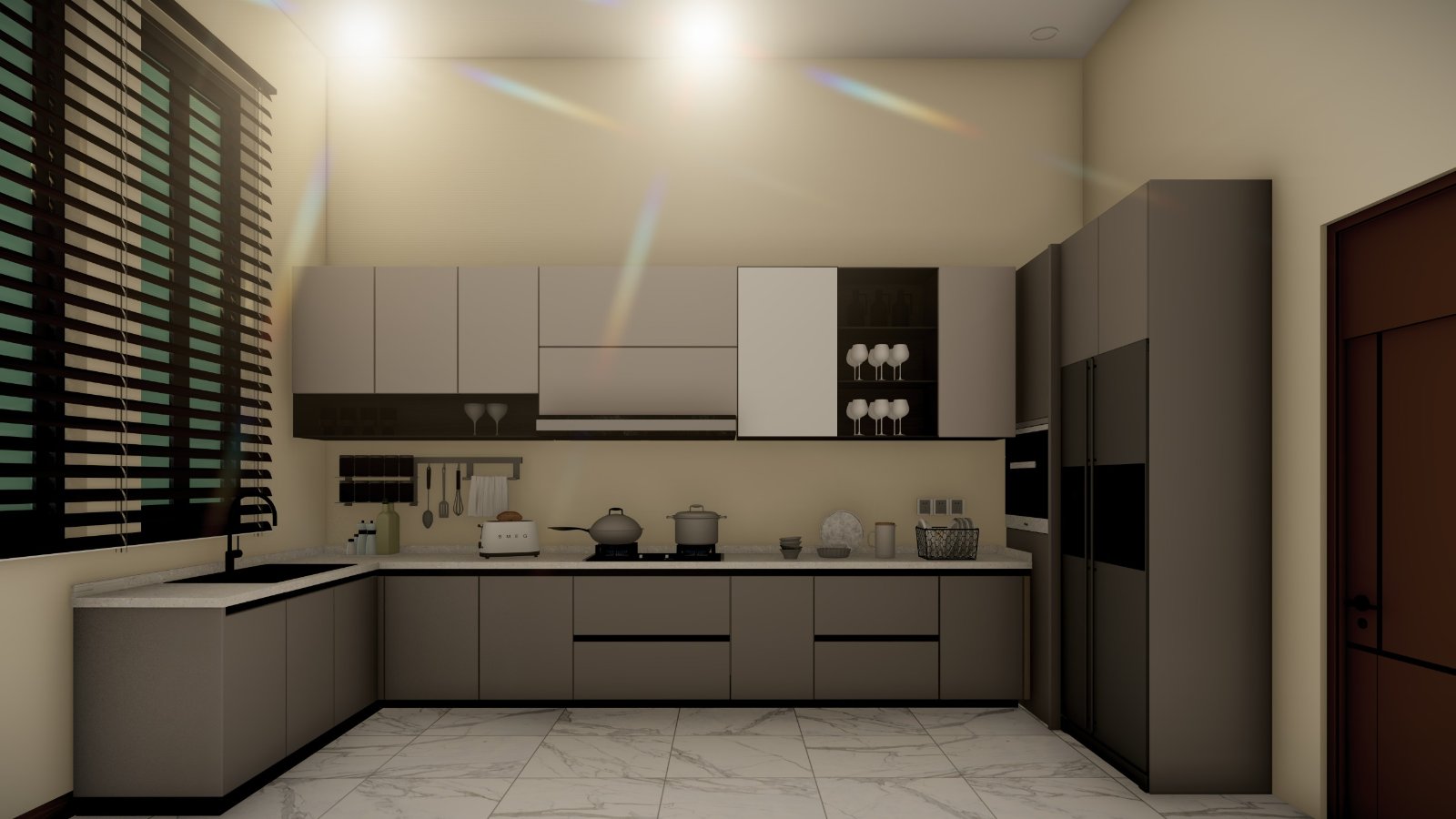
A four-bedroom family apartment answered in a minimalist register — cool neutrals, bleached and dark walnut, and a full drawing set from existing plan through elevations, finishes, ceiling and lighting.
Designer
Oreoluwa Emmanuel Popoola
Facilitator
Architect Adesayo Adenuga
Drawing set
Existing and proposed plans · furniture layout · two interior elevations · floor finish, ceiling and lighting plans
Living room — slatted media wall and dining runMaster bedroom — headboard joinery and seating cornerKitchen — cabinetry run and appliance wall
Both projects are student coursework, published with the designers' names as submitted.
Why Maven
Six things we insist on.
Design thinking
We teach you how to think about a space, not what to put in it. The brief comes before the mood board.
Technical mastery
Ideas become drawings, drawings become specifications, specifications become buildable rooms.
Digital practice
CAD, 3D modelling and visualisation, because that is how schemes are communicated and sold.
African context
Climate, materials, supply chains, family life and the way our cities are actually built.
Professional practice
Fees, contracts, contractors and clients. Design is also a business you will have to run.
Portfolio
You graduate with work you can show. Assessment is portfolio-based, taught by practising architects.
Programmes
One full training. Add-ons if you need them. A UK diploma after.
Almost everyone starts on the Certificate: twelve modules, three months taught, then a compulsory internship of at least three months. The add-on courses exist for people who already work and need one capability. The Advanced Diploma is the step after.
CERT / 01 · Start here
Certificate in Interior Design and Decoration
The full training. Twelve modules. Three months taught, then a compulsory internship of at least three months. You learn to plan a room, price it, draw it, specify it and defend it.
Twelve modules. Theory in the morning, practice in the hand.
Every module ends in something you have made, measured, specified or defended. The residential project you begin in module four becomes the first complete assignment in your portfolio.
Our philosophy, and the twelve elements of design — a new way of understanding what you are actually seeing, and the message behind a style.
A vocabulary that makes your work original rather than borrowed
Assessment
Nine pieces of coursework, a final retail, residential or corporate project presented to a jury, and an examination.
Internship
Compulsory, minimum three months, at a design firm, furniture maker or soft furnishing house. The school provides the list.
Timetable
Mondays and Wednesdays, or Tuesdays and Thursdays. Morning belt 9am–12pm, afternoon belt 12pm–3pm.
Membership
Students are eligible for student membership of the African Association of Interior Designers, and may apply for full membership on completion.
On graduation you can interpret an architect's drawings and produce your own, draw perspectives by hand, and supervise tiling, floor finishes, painting, wall preparation, wallpaper and all ceiling types including P.O.P.
ADV · After the Certificate
A UK Advanced Diploma, taught in Nigeria.
The Advanced Diploma in Interior Design is the step after the Certificate — from foundational skills to professional practice. It is structured to Quality Licence Scheme Level 5 and awarded by Maven SIDD's UK entity.
Creative design development, technical competence and digital proficiency, carried by nine modules and a capstone thesis. You leave with a portfolio built for employment or for a Level 6 top-up.
Award
Advanced Diploma in Interior Design
Standard
Benchmarked to QLS Level 5
Duration
Six months — four months taught, two months final project
Entry — Certificate in Interior Design or equivalent
Progression under the UK Creative Occupations pathway (ONS code 3421) may support later applications to routes such as the Global Talent visa. Visa decisions rest with the UK Home Office at the time of application.
The studio
Design is learned by doing it, in a room, with other people.
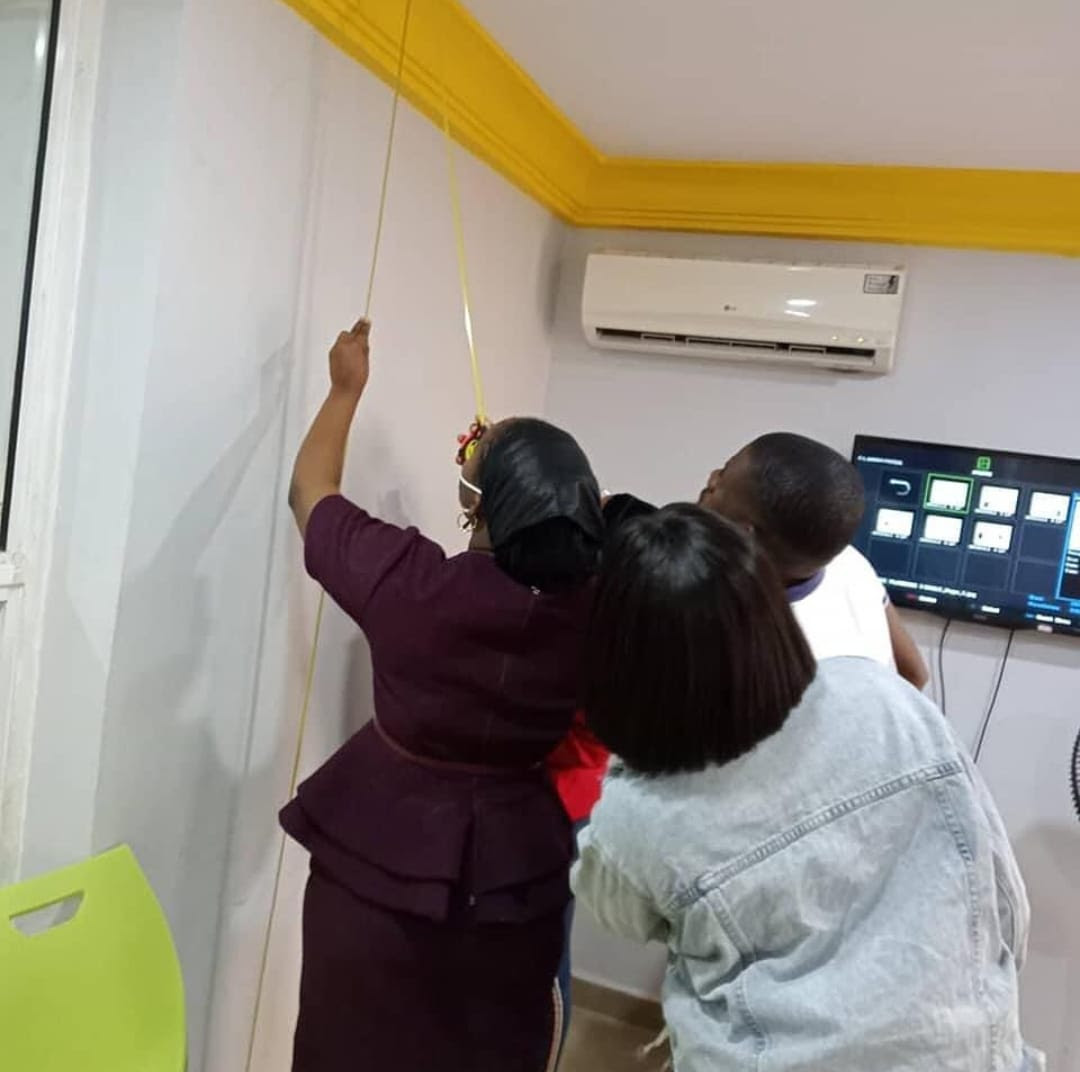
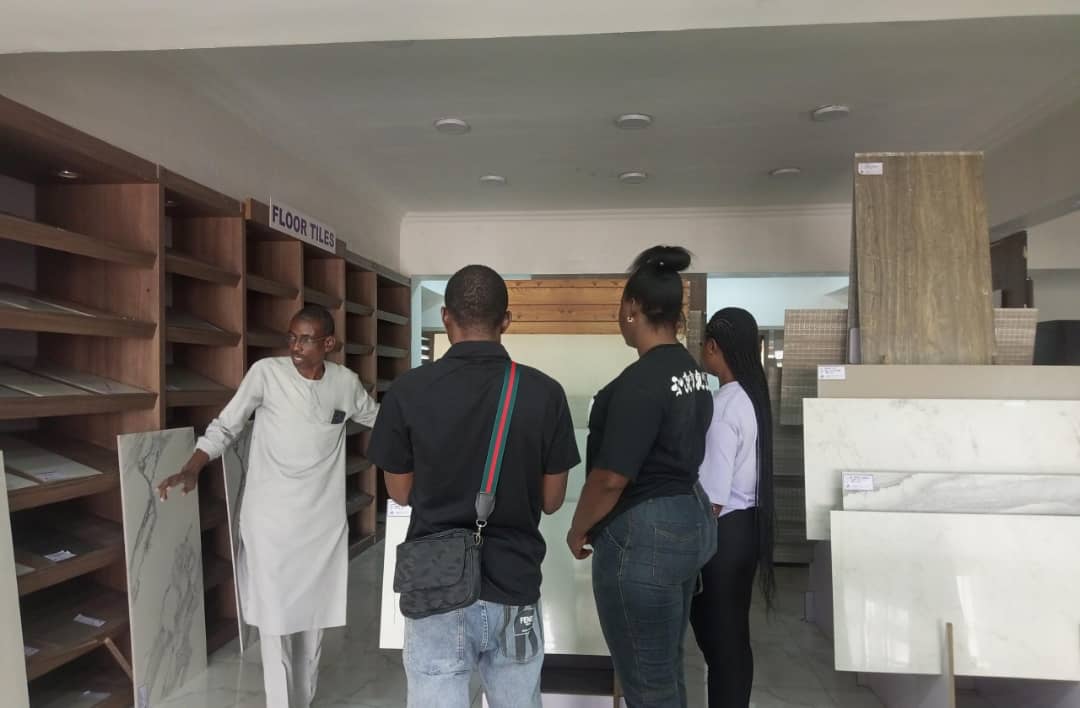
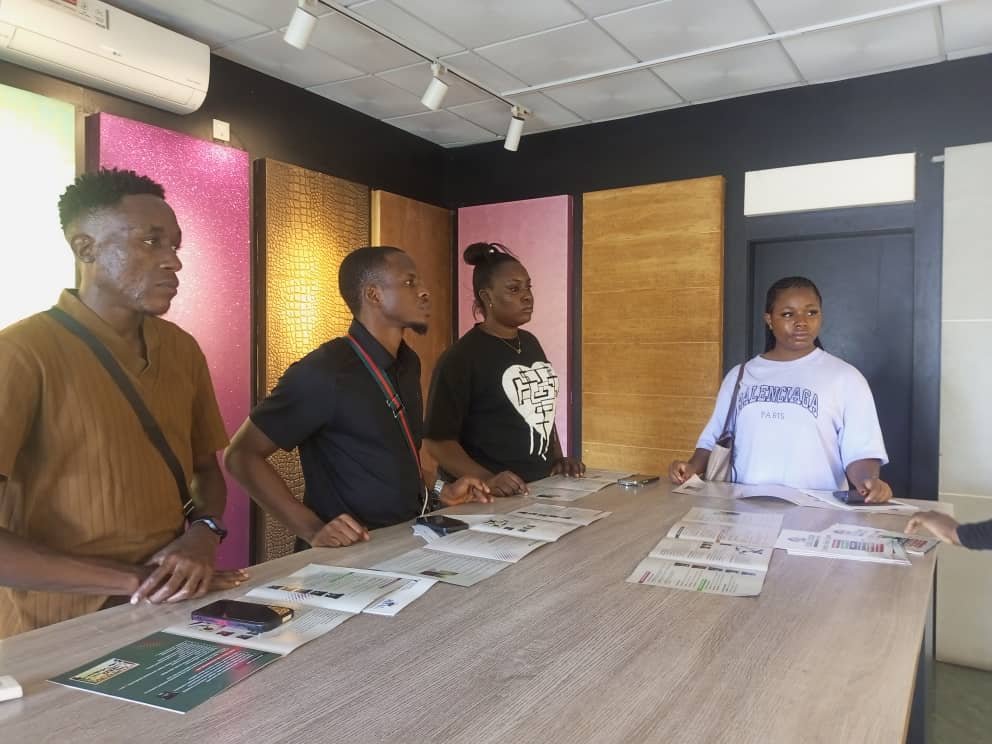
Drawing at the table. Measuring on site. Choosing stone in a showroom. Presenting a scheme and defending it. Scroll the studio →
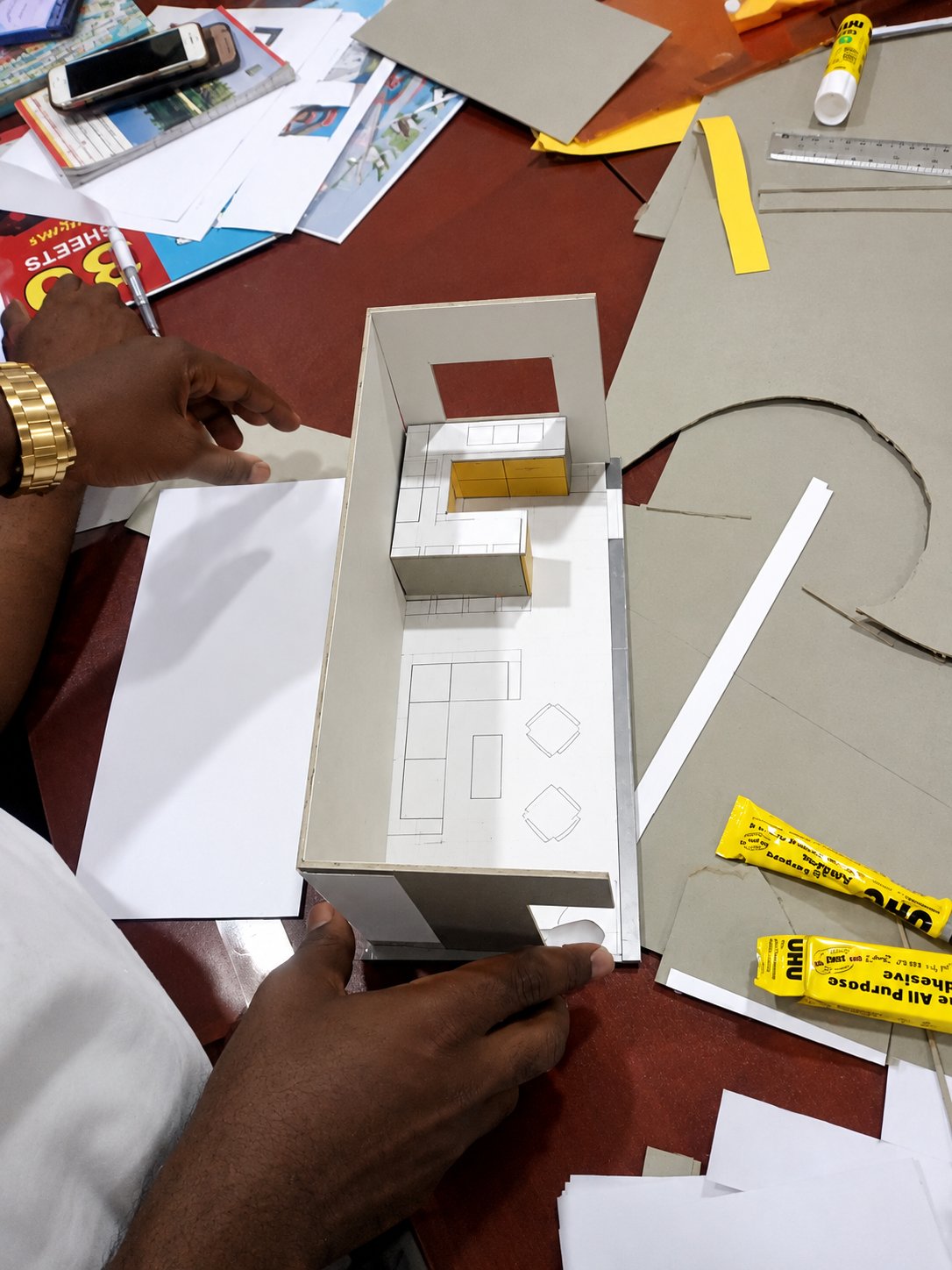
Sketching, studio sessionTechnical drawing in progressPlan review with a tutorMeasured survey exerciseSpecification visit, tilesInterior model making classMaven at INDEX Interior Design Exhibition, DubaiStudent presentation, final project juryStudent design excursion, DubaiMaterial procurement, market surveySoft furnishing training in progressStudio group, working sessionBriefing before a site survey
Designing Africa
Africa's cities are changing. Designers must change with them.
How do we design for the way Lagos actually lives — for heat, for power, for extended families, for buildings that arrive before their services do?
That question runs through every studio brief we set. It is also the territory where our graduates compete internationally, because nobody understands it better.
Tropical modernism
Shade, orientation and ventilation as design decisions rather than afterthoughts.
Local materials
What Nigeria makes, quarries and weaves — and who can supply it at project scale.
Adaptive reuse
Warehouses, townhouses and shells given a second, better life.
Design as business
Practices, studios and product lines built by designers trained here.
People
Olaniyi Gbolahan · Founder, architect and interior designer
We built a school for people who cannot stop rearranging the room.
Maven opened in 2009 on a single conviction: that interior design in Nigeria deserved to be taught properly. Not as a weekend hobby. Not as a matter of cushions and curtains. As a profession — with drawings, with sites, with materials in the hand, and with enough business sense to survive the second year.
Students still learn to read an architect's drawing before they choose a fabric. They still stand in a tile showroom and learn the difference between what looks expensive and what lasts. And they still leave able to run a practice, not merely to decorate a room.
If you have ever walked into a space and felt certain you could have done it better, you already have the instinct. Instinct is the part we cannot teach. Everything after it, we can.
From novice to professional. From skill to income.
The library is organised the way the transformation runs — seven subject pillars and an opinion journal, written by the people who teach the programmes.
01 · Discover
You are looking
Rooms, ideas, images. No intention to study yet.
02 · Learn
You want to understand
The discipline behind the picture, explained properly.
03 · Believe
You test our authority
Written by architects who teach and practise.
04 · Transform
You see the evidence
Graduates, their work and what it earned them.
05 · Act
You enrol
Certificate, add-on course, or the UK diploma after.
Pillar 01
Learn interior design
The teaching category. Answers the questions beginners actually ask, in the discipline's real vocabulary.
Pillar 02
Interior design careers
From beginner to professional — the route in, and what it pays.
Pillar 03
Interior design business
Teaching the skill is half of it. This pillar teaches earning from it.
Pillar 04
African interior design
Maven's intellectual territory — African design as context and opportunity, not a decorative style.
Pillar 05
Design inspiration, read professionally
Rooms worth looking at, with the analysis a designer would apply to them.
Pillar 06
Trends and industry
The industry-authority pillar. Where the profession and the market are going.
Pillar 07
Maven stories
The transformation, evidenced. Recurring format: before Maven, Maven, after Maven.
The journal
The Maven Journal
Opinion and leadership — the pieces that give the school a voice rather than a content library.
If you have ever walked into a space and felt certain you could have done it better, you already have the instinct. Instinct is the part we cannot teach. Everything after it, we can.
No previous experience in design is necessary — we ask for enthusiasm and dedication. Classes are capped at an average of ten students and enrol on a rolling basis, so register early.
Certificate ₦250,000 in two instalments · enrolment form ₦30,000 · practical materials ₦20,000
Advanced Diploma ₦1,000,000 · enrolment ₦20,000 · six months
Bring a sketch pad, measuring tape, pencils and coloured pencils. A laptop is necessary for CAD.